Get Water Damage Restoration
Water damage restoration services help property owners recover from flooding, leaks, or burst pipes by removing water, drying affected areas, and repairing structural damage.
Water damage can quickly compromise the integrity and safety of a property, making prompt and effective restoration essential. Property owners in the area may seek professional services to address issues caused by leaks, flooding, or plumbing failures, helping to prevent further damage and reduce potential costs. Exploring options for water damage restoration ensures that the right solutions are in place to protect homes and businesses from ongoing or future issues.
Connecting with experienced local contractors can provide peace of mind when planning restoration projects. These service providers are equipped to handle a variety of water damage scenarios, offering practical expertise to restore properties efficiently. By comparing local options, property owners can find the right professionals to meet their specific needs and ensure their property is properly cared for during the restoration process.
- Flooded Basement Restoration - homeowners experiencing basement flooding due to heavy rain or plumbing failures may need local contractors to extract water and dry the area.
- Sewer Backup Cleanup - properties affected by sewer backups require professional cleanup to remove contaminated water and sanitize affected surfaces.
- Leaking Roof Water Damage Repair - after a roof leak causes water intrusion inside a building, local service providers can assess and restore the affected spaces.
- Burst Pipe Water Damage Restoration - during winter or due to pipe failure, homes with burst pipes need immediate water removal and drying services.
- Storm Damage Water Extraction - properties impacted by storms or hurricanes may require local pros to remove standing water and repair water intrusion damage.
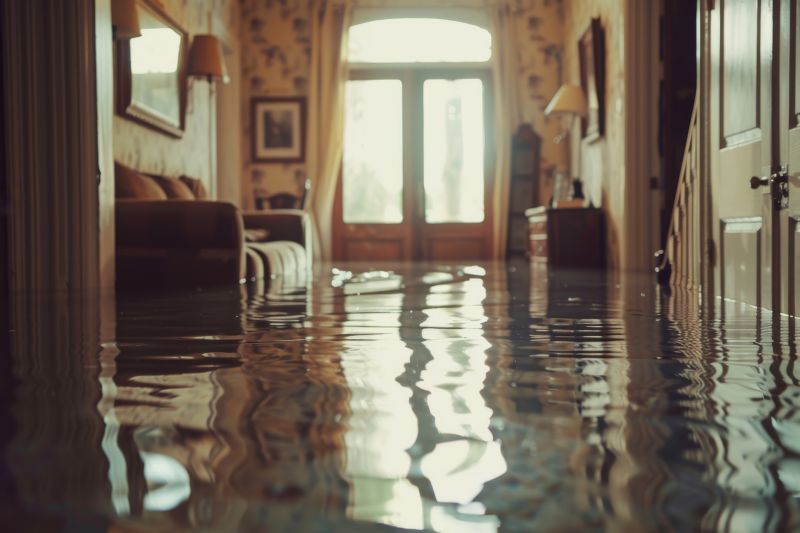
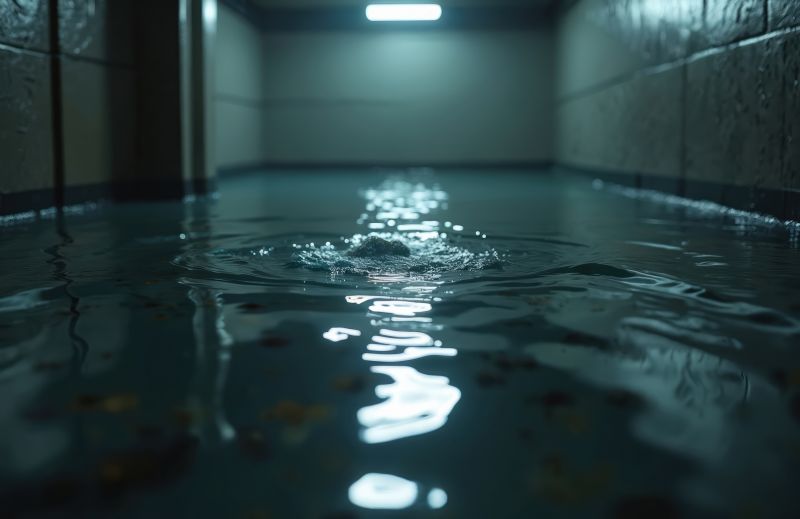
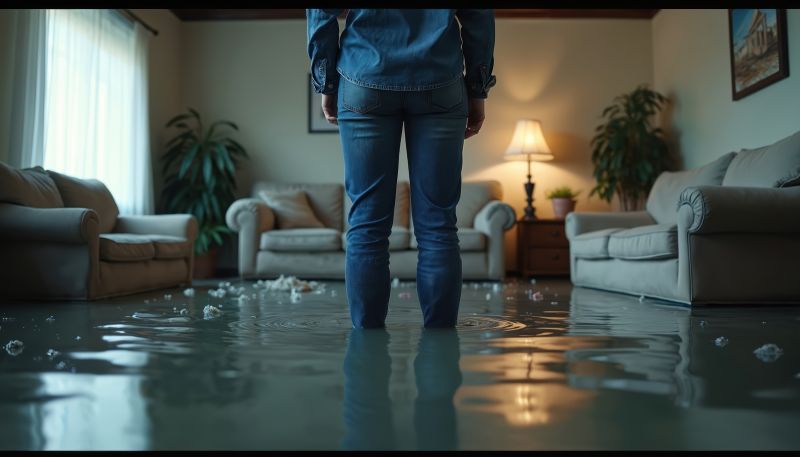
Water damage restoration services involve a comprehensive process to repair and restore properties affected by water intrusion. When water leaks, floods, or plumbing failures occur, these services address the immediate removal of standing water, dry out affected areas, and assess the extent of damage. The goal is to prevent further deterioration, mold growth, and structural issues, ensuring the property is safe and sound. Experienced service providers use specialized equipment to extract water, dry out surfaces, and restore the property to its pre-damage condition.
These services help solve a range of problems caused by water intrusion, including warped floors, stained walls, musty odors, and compromised structural integrity. Water damage can lead to mold growth if not addressed promptly, posing health risks and further property deterioration. Restoration professionals also handle water extraction from carpets, furniture, and insulation, as well as performing thorough drying and dehumidification. This comprehensive approach minimizes long-term damage and helps homeowners avoid costly repairs down the line.
Water damage restoration is commonly needed in residential properties such as single-family homes, apartment complexes, and condominiums. It is also relevant for commercial buildings like offices, retail stores, and industrial facilities that experience leaks, flooding, or pipe bursts. Any property with water-sensitive materials or vulnerable infrastructure can benefit from professional restoration services. Homeowners and property managers should consider these services whenever water intrusion occurs to protect their investments and maintain a safe living or working environment.
By working with local contractors who specialize in water damage restoration, property owners can ensure the job is handled efficiently and thoroughly. These service providers are equipped to assess the damage, develop a tailored plan, and execute the necessary repairs. Whether dealing with minor leaks or major flooding, connecting with experienced professionals helps ensure that water damage is managed effectively, reducing the risk of future issues and restoring the property’s safety and comfort.
The overview below groups typical Water Damage Restoration projects into broad ranges so you can see how smaller, mid-sized, and larger jobs often compare in your area.
In many markets, a large share of routine jobs stays in the lower and middle ranges, while only a smaller percentage of projects moves into the highest bands when the work is more complex or site conditions are harder than average.
Minor Water Damage Repairs - These smaller jobs typically cost between $250 and $600, covering tasks like drying out affected areas and minor repairs. Many routine repairs fall within this range, with fewer projects exceeding $600.
Moderate Restoration Projects - For medium-sized jobs involving extensive drying, mold prevention, and partial repairs, costs usually range from $1,000 to $3,000. Most projects in this category stay within this band, though larger, more complex projects can be higher.
Major Water Damage Restoration - Larger jobs that require significant structural repairs or extensive mold remediation tend to cost between $3,500 and $7,000. These projects are less common but can push into higher tiers depending on the scope of work.
Full Replacement and Reconstruction - Complete rebuilding of damaged areas, including drywall, flooring, and structural elements, can range from $10,000 to $30,000 or more. Such comprehensive projects are less frequent and represent the upper end of typical costs.
Actual totals will depend on details like access to the work area, the scope of the project, and the materials selected, so use these as general starting points rather than exact figures.
Mold Remediation - involves removing mold growth caused by excess moisture, requiring similar moisture assessment and cleanup skills as water damage restoration.
Fire Damage Cleanup - shares expertise in removing water used in firefighting efforts and restoring moisture-damaged structures.
Flood Cleanup - focuses on extracting large amounts of water and drying affected areas, similar to water damage mitigation processes.
Structural Drying - involves drying and dehumidifying building materials after water intrusion, utilizing comparable tools and planning strategies.
Storm Damage Repair - includes addressing water intrusion from storms, requiring similar assessment, water extraction, and drying techniques.
Carpet and Upholstery Water Extraction - involves removing water from textiles and flooring, employing comparable extraction and drying methods used in water damage restoration.
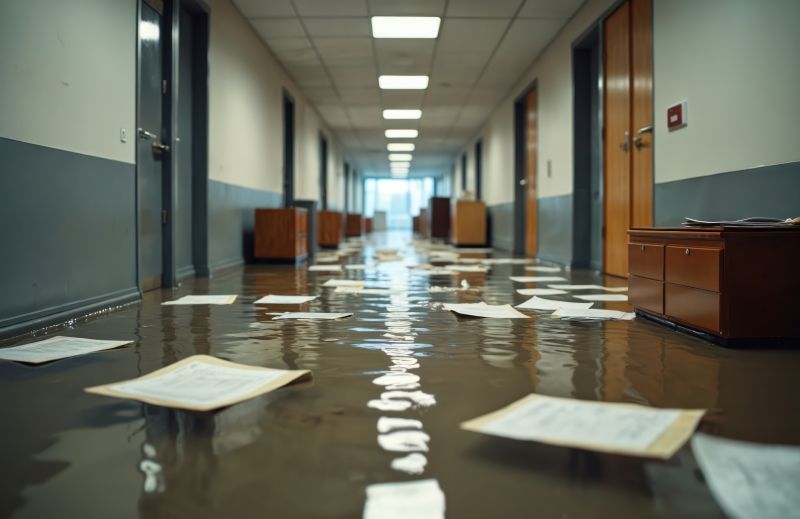
When evaluating potential service providers for water damage restoration, it’s important to consider their experience with similar projects. Homeowners should inquire about how long a contractor has been working in the field and whether they have handled cases comparable to their specific situation. An experienced local contractor will be familiar with common issues that arise during water damage repairs and can provide insights into effective solutions based on past work. This background can help ensure that the chosen professional is well-equipped to manage the scope and complexity of the restoration process.
Clear written expectations are essential when comparing local contractors. Homeowners should seek detailed information about the scope of work, the methods to be used, and the materials involved. Having a well-defined plan helps prevent misunderstandings and ensures that both parties agree on what the project entails. Reputable service providers typically offer written estimates or proposals that outline the services to be performed, which can serve as a useful reference throughout the project. This clarity supports a smoother process and helps homeowners make informed decisions about which local pros are best suited for their needs.
Good communication and reputable references are key indicators of reliable water damage restoration services. Homeowners should look for local contractors who are responsive to inquiries and willing to answer questions thoroughly. Asking for references or reviews from previous clients can provide valuable insights into the contractor’s professionalism, quality of work, and ability to meet deadlines. While the site introduces homeowners to local options, it’s important to remember that it does not perform the work itself. Instead, it serves as a resource to connect homeowners with experienced service providers who can handle the job efficiently and professionally.
Property owners use Water Damage Restoration services for practical projects around their homes and businesses. This guide focuses on everyday jobs and straightforward project options.
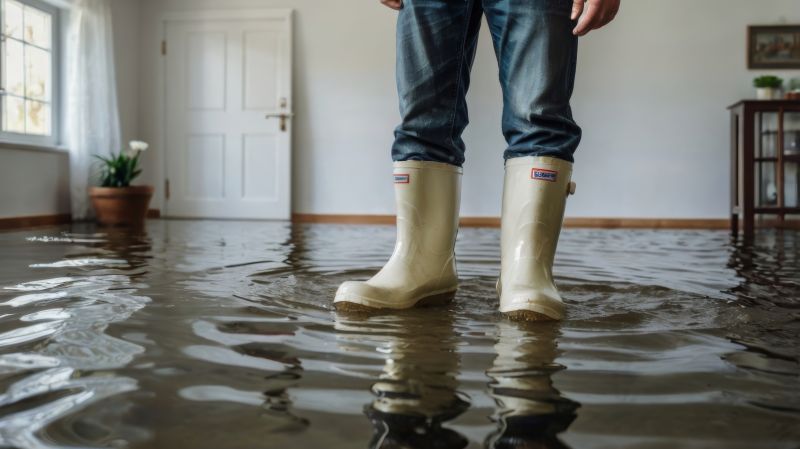
Water damage restoration services are often sought after by property owners dealing with unexpected leaks, burst pipes, or appliance malfunctions that lead to water intrusion. Whether it's a minor spill that has seeped into flooring or a major flood resulting from heavy storms, local contractors can help assess the situation and provide the necessary cleanup and repairs. These professionals are equipped to handle situations where water has compromised the integrity of walls, floors, or structural elements, helping to prevent further damage and reduce the risk of mold growth.
Property owners may also look for water damage restoration services after incidents such as roof leaks, appliance failures, or plumbing issues that cause water to accumulate inside the property. When water is left untreated, it can cause long-term problems like warped surfaces, weakened structures, or mold development. Local service providers are available to respond to these everyday situations, offering solutions to restore the property’s condition and protect its value.
How do I know if I have water damage? Signs of water damage include discoloration, warping, or a musty smell in affected areas. If unsure, a professional inspection can help identify hidden issues.
What types of water damage restoration services are available? Local contractors offer services such as water extraction, drying, mold prevention, and structural repairs to address various levels of water damage.
Can water damage affect my home's structure? Yes, extensive water damage can weaken structural elements like floors, walls, and foundations, making professional assessment and repair important.
What should I do immediately after discovering water damage? It's recommended to remove standing water if possible, avoid electrical hazards, and contact a local service provider for assessment and remediation options.
How do I find qualified water damage restoration professionals in my area? This site can help connect with local service providers who specialize in water damage restoration, enabling comparisons and informed choices.
Water Damage Assessment - Property owners can use this service to identify the extent of water intrusion after a leak or flood, helping them understand the scope of restoration needed.
Emergency Water Extraction - Local contractors can quickly remove standing water from basements or carpets following plumbing failures or storm flooding.
Structural Drying - Homeowners can ensure that walls, floors, and ceilings are properly dried after water exposure, preventing mold growth and further damage.
Mold Prevention and Remediation - Property owners can address moisture issues early to reduce mold development and maintain a healthier living environment.
If you are thinking about Water Damage Restoration for a property, this guide is meant to help you understand the work, the typical project types, and how different options might fit your plans.
When you are ready, you can use the quote form on this page to share a few details about your project. From there, local pros can review the basics and respond with options that match what you have in mind.