Water Remediation in Wilmington, NC
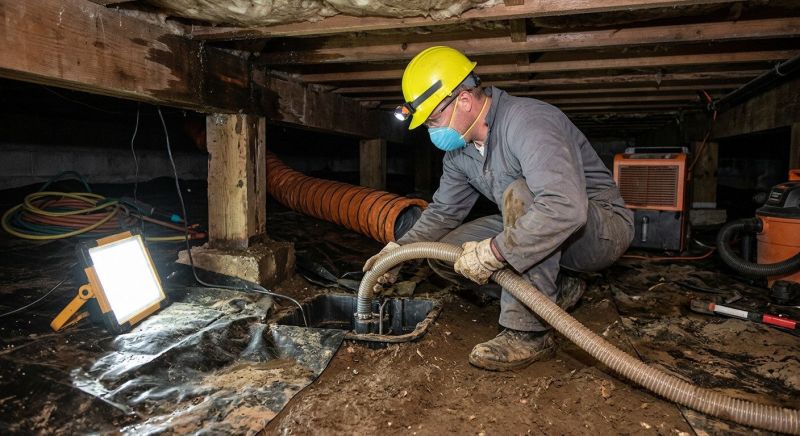
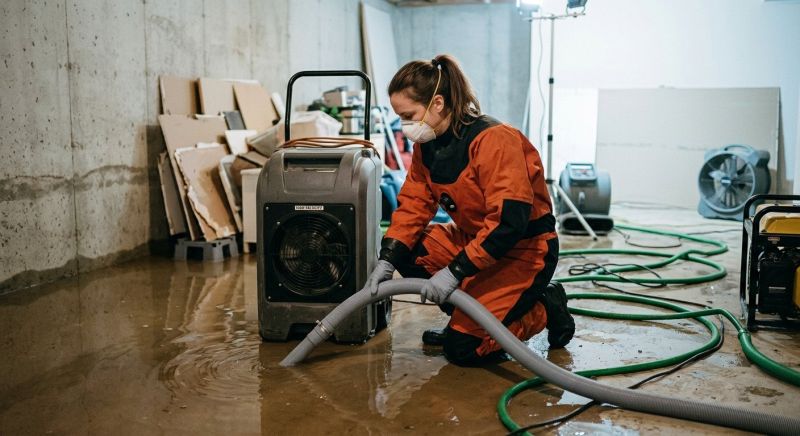
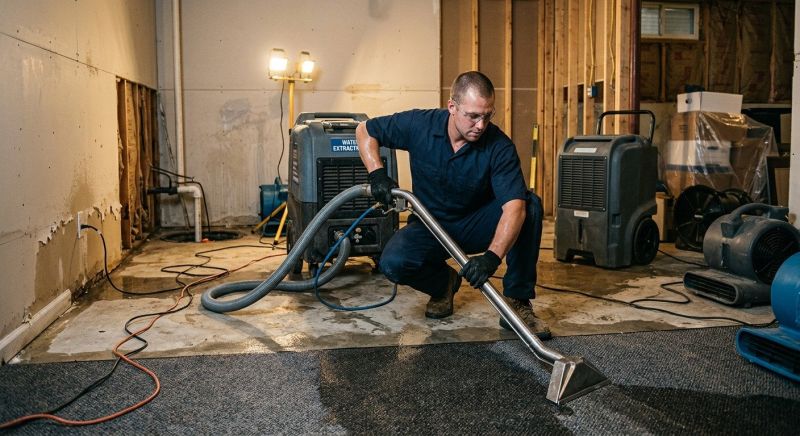
Water remediation services focus on addressing issues caused by excess moisture, flooding, or water intrusion within a property. These services typically cover projects such as flood damage cleanup, removal of standing water, drying and dehumidifying affected areas, and addressing water-related mold growth. Homeowners interested in water remediation should understand the scope of the work involved, including the potential need for structural drying, moisture detection, and thorough cleaning to prevent future issues. Clarifying the extent of water damage and the specific areas affected can help property owners determine if professional remediation is necessary.
Before requesting water remediation services, property owners often want to know about the process involved, potential disruptions, and the importance of timely action to minimize damage. It’s helpful to understand what steps are taken to ensure thorough drying, mold prevention, and the restoration of a safe living environment. Being aware of the types of water damage covered-such as from storms, leaks, or plumbing failures-can assist homeowners in making informed decisions about addressing water-related issues promptly and effectively.
Many property owners in Wilmington, NC look into Water Remediation for repairs, replacements, upgrades, and appearance-related improvements.
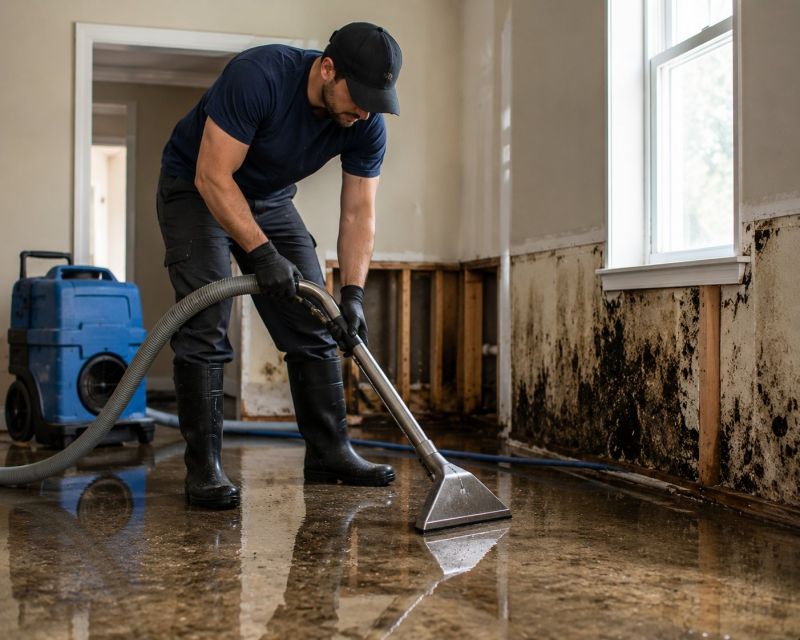
Water Damage Cleanup
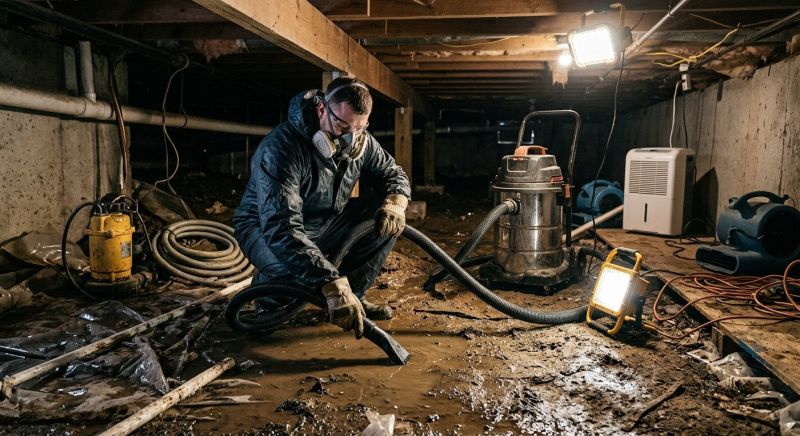
Effective removal of water to prevent further property deterioration.
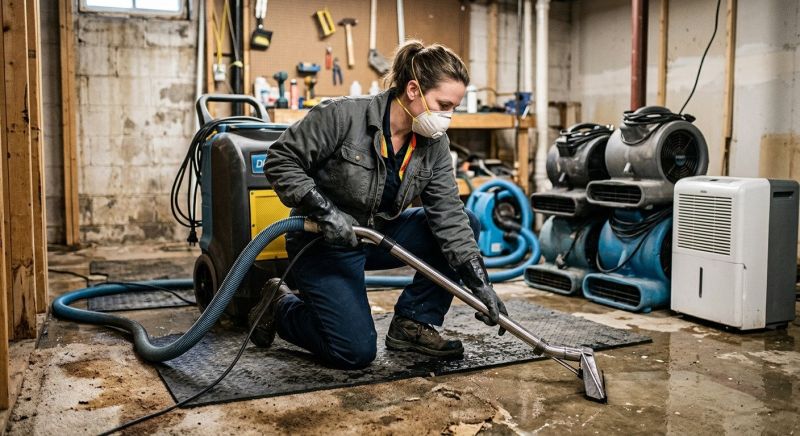
Mold Prevention And Removal
Addressing moisture issues to stop mold growth and protect indoor air quality.
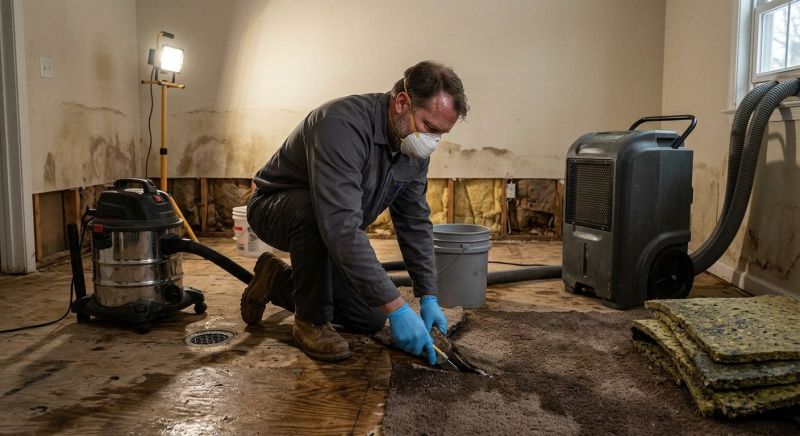
Structural Drying Solutions
Restoring stability and safety by thoroughly drying affected building materials.
Water Remediation in Wilmington, NC
Water remediation services focus on addressing issues caused by excess moisture, flooding, or water intrusion within a property. These services typically cover projects such as flood damage cleanup, removal of standing water, drying and dehumidifying affected areas, and addressing water-related mold growth. Homeowners interested in water remediation should understand the scope of the work involved, including the potential need for structural drying, moisture detection, and thorough cleaning to prevent future issues. Clarifying the extent of water damage and the specific areas affected can help property owners determine if professional remediation is necessary.
Before requesting water remediation services, property owners often want to know about the process involved, potential disruptions, and the importance of timely action to minimize damage. It’s helpful to understand what steps are taken to ensure thorough drying, mold prevention, and the restoration of a safe living environment. Being aware of the types of water damage covered-such as from storms, leaks, or plumbing failures-can assist homeowners in making informed decisions about addressing water-related issues promptly and effectively.
Many property owners in Wilmington, NC look into Water Remediation for repairs, replacements, upgrades, and appearance-related improvements.
Common Water Remediation Jobs
Water Damage Cleanup - removal of water from affected areas to prevent further damage and mold growth.
Mold Remediation - professional removal of mold caused by excess moisture or flooding.
Leak Repair - fixing plumbing or roof leaks that can lead to water intrusion.
Sewage Cleanup - safe removal of sewage and contaminated materials after backups or overflows.
Waterproofing Services - sealing basements and crawl spaces to prevent water intrusion.
Flood Restoration - restoring property after flood events with drying and cleaning solutions.
Water Remediation Questions
What types of water issues require remediation? Water remediation addresses problems such as flooding, leaks, sewage backups, and water damage caused by storms or plumbing failures.
How can water damage affect a property? Water damage can lead to mold growth, structural deterioration, and damage to personal belongings if not addressed promptly.
What are common signs of water intrusion? Signs include stained or warped walls and floors, a musty odor, and visible water or dampness in affected areas.
What should property owners do after water intrusion? It is important to remove standing water, dry affected areas thoroughly, and seek professional remediation to prevent further damage.
Request Water Remediation in Wilmington, NC
Use the quote form on this page to share the basics of your project and request more information for the type of work you need.